Creating a professional podcast: the complete guide
From concept to publishing, the seven steps to launch a podcast that lasts, without getting lost in the technology.
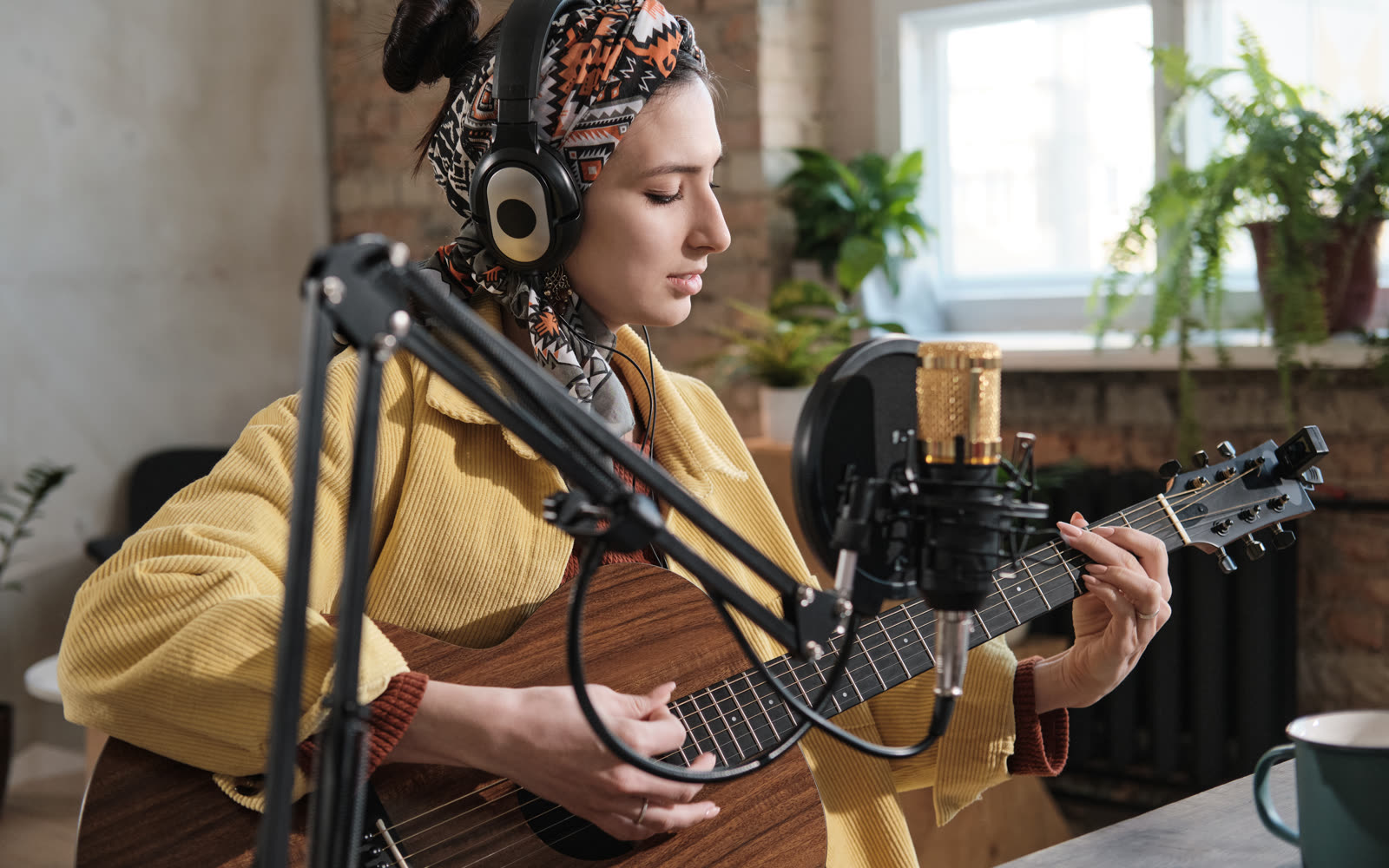 Cover image — 1600×1000 recommended
A good podcast starts with a voice that feels at ease in front of the mic.
Launching a podcast is easy. Launching a podcast people still listen to at episode ten is much harder. This guide covers the steps we see working, season after season, for the creators who record at the studio.
1. A one-sentence concept
Before the mic, the why. Who are you talking to, and what does the listener gain? If you cannot sum it up in one sentence ("conversations with Bali-based entrepreneurs about what they would do differently"), your audience will not be able to either.
2. A format you can sustain
Solo, duo, interview? Weekly, fortnightly? Choose a rhythm you can keep up for a year, not for a month. Consistency matters more than frequency. Recording several episodes in the same studio session is the best way to get ahead.
3. Prepared guests
Send the running order, the three main questions and the practical details (address, time, clothing to avoid on camera) a week ahead. A prepared guest is relaxed, and a relaxed guest makes a good episode.
4. The recording: delegate the technology
- Sound: one mic per person, a hand's width away, in a treated room.
- Picture: two to three cameras in 4K, to vary shots in the edit.
- Light: continuous, soft, with no harsh shadows under the eyes.
- A technician watching the levels while you talk.
That is exactly what a studio like Hot Tea gives you: you walk in, sit down and talk. Everything else is already set.
5. An edit that respects the rhythm
Cut awkward silences and false starts, keep the breaths. Add a short jingle, a thirty-second intro that states the episode's promise, and a single call to action at the end.
6. Publish everywhere, point to one place
Spotify, Apple Podcasts, YouTube for video, your website for the transcript. Then vertical clips for discovery. Every path should lead to the same page: your site, your newsletter or your offer.
7. Measure, adjust, keep going
Look at average listening time rather than download counts. If people drop off at minute five, shorten the intro. If a topic performs, dig deeper. And above all: publish the next episode.
The podcast that succeeds is not the best equipped one, it is the one still there at episode twenty.— The Hot Tea Studio team
Ready to record episode 1? Book a session in Uluwatu: our packages range from audio-only capture to full editing with ten reels delivered.